


Shmurah means “watched,” and it is an apt description of this matzah, the ingredients of which (the flour and water) are watched from the moment of harvesting and drawing.
The day chosen for the harvesting of the wheat is a clear, dry day. The moment it is harvested, the wheat is inspected to ensure that there is absolutely no moisture. From then on, careful watch is kept upon the grains as they are transported to the mill. The mill is meticulously inspected by rabbis and supervision professionals to ensure that every piece of equipment is absolutely clean and dry. After the wheat is milled, the flour is again guarded in its transportation to the bakery. Thus, from the moment of harvesting through the actual baking of the matzah, the flour is carefully watched to ensure against any contact with water.
The water, too, is carefully guarded to prevent any contact with wheat or other grain. It is drawn the night before the baking, and kept pure until the moment it is mixed with the flour to bake the shmurah matzah.
Also in the bakery itself, shmurah matzot are under strict supervision to avoid any possibility of leavening during the baking process. This intensive process and careful guarding gives the shmurah matzah an added infusion of faith and sanctity—in fact, as the matzah is being made, all those involved constantly repeat, “L’shem matzot mitzvah”—“We are doing this for the sake of the mitzvah of matzah.”
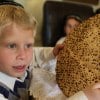
Shmurah matzot are round, kneaded and shaped by hand, and are similar to the matzot that were baked by the Children of Israel as they left Egypt. It is thus fitting to use shmurah matzah on each of the two Seder nights for the matzot of the Seder plate.
Click to order your own shmurah matzah.



Why is most Shmurah matzah made with refined white flour when that wouldn’t have been available during the exodus. For traditions sake, I would think that all Shmurah matzah would be made with whole wheat-
How the flour is processed is not as important as its source, i.e. that it be one of the five grains.
Thank you for your response. Out of curiosity, what are the other grains allowed? However, I have not forgotten my original question which for years nobody has seemed to be able to answer – since processed flour would not have been used in the desert, why is white matzo more popular? I wouldn’t think the bread of affliction would be a processed food- especially as it’s one of the first things said at the Seder, which would indicate a higher level of importance than forbidding rice and beans to Ashkenazis.